Former New Orleans Jim Garrison gave a lecture on what he perceives as the causes of the John F. Kennedy assassination in 1967.

Showing posts with label history. Show all posts
Showing posts with label history. Show all posts
Friday, November 22, 2019


Saturday, July 20, 2019
One Small Step For Man, One Giant Leap For Mankind
CBS Coverage of the 50th Anniversary of Apollo 11
One Giant Leap For Mankind
50 years ago for the first time ever in the world, two American astronauts made history by taking the Apollo 11 voyage to the moon and became the first men ever to set foot on the moon. A dream that the late President John F. Kennedy desired to come to pass before the decade of the 60's ended.
One Giant Leap For Mankind
50 years ago for the first time ever in the world, two American astronauts made history by taking the Apollo 11 voyage to the moon and became the first men ever to set foot on the moon. A dream that the late President John F. Kennedy desired to come to pass before the decade of the 60's ended.
Thursday, June 6, 2019
President Donald Trump's Speech on the 75th Anniversary of D-Day
President Donald Trump gave a great speech commemorating the 75th anniversary of D-Day, where the Allies stormed Normandy Beach with a great loss of casualties on that fateful day. Thank God for the brave men who sacrificed their lives on that tragic day for the cause of freedom.
Tuesday, August 28, 2018
The 55th Anniversary of the "I Have a Dream Speech"
55th Anniversary of I have a Dream Speech
 Martin Luther King presenting his "I Have a Dream" speech
On August 28, 1963, Dr. Martin Luther King Jr. gave his "I Have a Dream" Speech" on the steps of the Lincoln Memorial.
Martin Luther King presenting his "I Have a Dream" speechOn August 28, 1963, Dr. Martin Luther King Jr. gave his "I Have a Dream" Speech" on the steps of the Lincoln Memorial.
Monday, January 15, 2018
How Martin Luther King Jr.'s Birthday Became a Holiday
How Martin Luther King Jr.'s Birthday Became a Holiday
 Dr. Martin Luther King Jr. (January 15, 1929-April 4, 1968)
The push to make Martin Luther King Jr. a holiday took 32 years, a lot of campaigning, and guest appearances by Ted Kennedy, Stevie Wonder, and the National Football League.
Dr. King's birthday was officially approved as a federal holiday. He was born on January 15, 1929 in Atlanta. The King holiday is always observed the third Monday every January. By 2000, all fifty states recognized Martin Luther King Jr. Day as a government holiday. It wasn't an easy task to make that happen. The King Center in Atlanta gives a detailed chronology on how the efforts, shortly after King died, to make it a holiday, wasn't an easy task for supporters whether it be in Congress or the states. Hence, there was a twofold battle to recognize the holidays--the federal government and the states.
Rep. John Conyers (D-MI) introduced the first motion to make Martin Luther King Jr. a holiday four days after King's assassination in Memphis. It took 11 years later in 1979 for the resolution to come up for a vote in Congress. The bill needed a two-thirds majority to pass, but it fell five votes short by a 252-133 count, despite a strong support from the King Center, then President Carter, and members of Congress in both houses. The holiday supporters regrouped and re-intensified their efforts. Musician Stevie Wonder helped in 1981 by singing the song "Happy Birthday" to promote the holiday.
The King Center kept up its efforts with a march on Washington, with Coretta Scott King, Martin Luther King Jr.'s wife, 500,000 people, along with Stevie Wonder, presented a petition signed by six million people to House Leader Tip O'Neill. The House took up the bill in 1983 and it passed by 53 votes with help from House Speaker O'Neill and House Majority Leader Jim Wright. Republicans Jack Kemp and Newt Gingrich gave speeches supporting the holiday. However, passing the bill in the Senate would be contentious because then Senator Jesse Helms (R-NC) was opposed to it. He started a filibuster and presented a 400-page file accusing Dr. King of being a communist. Senator Kennedy criticized Helms and Senator Patrick Moynihan called it filth and threw it on the floor. Despite Helms, the bill passed the Senate by 12 votes with South Carolina Senator Strom Thurmond supporting the bill. President Reagan signed the bill in November 1983 and the first King holiday was celebrated in 1986.
It took longer for the 50 states to approve the holiday. By 1986, 17 states had already approved the holiday. There was strong resistance in Arizona to pass the holiday. The fight between state legislators came to a head when the King holiday was put up for Arizona voter referendum in 1990. Entertainers started protesting and boycotting the state. The NFL threatened to move the 1993 Superbowl from Tempe if the referendum was defeated. The King holiday lost in a two-part voter referendum and the NFL retaliated by moving the Superbowl to Southern California costing the state $500 million in revenue. Arizona voters approved the King holiday two years later. Click on the above link to read the rest of the article.
Dr. Martin Luther King Jr. (January 15, 1929-April 4, 1968)The push to make Martin Luther King Jr. a holiday took 32 years, a lot of campaigning, and guest appearances by Ted Kennedy, Stevie Wonder, and the National Football League.
Dr. King's birthday was officially approved as a federal holiday. He was born on January 15, 1929 in Atlanta. The King holiday is always observed the third Monday every January. By 2000, all fifty states recognized Martin Luther King Jr. Day as a government holiday. It wasn't an easy task to make that happen. The King Center in Atlanta gives a detailed chronology on how the efforts, shortly after King died, to make it a holiday, wasn't an easy task for supporters whether it be in Congress or the states. Hence, there was a twofold battle to recognize the holidays--the federal government and the states.
Rep. John Conyers (D-MI) introduced the first motion to make Martin Luther King Jr. a holiday four days after King's assassination in Memphis. It took 11 years later in 1979 for the resolution to come up for a vote in Congress. The bill needed a two-thirds majority to pass, but it fell five votes short by a 252-133 count, despite a strong support from the King Center, then President Carter, and members of Congress in both houses. The holiday supporters regrouped and re-intensified their efforts. Musician Stevie Wonder helped in 1981 by singing the song "Happy Birthday" to promote the holiday.
The King Center kept up its efforts with a march on Washington, with Coretta Scott King, Martin Luther King Jr.'s wife, 500,000 people, along with Stevie Wonder, presented a petition signed by six million people to House Leader Tip O'Neill. The House took up the bill in 1983 and it passed by 53 votes with help from House Speaker O'Neill and House Majority Leader Jim Wright. Republicans Jack Kemp and Newt Gingrich gave speeches supporting the holiday. However, passing the bill in the Senate would be contentious because then Senator Jesse Helms (R-NC) was opposed to it. He started a filibuster and presented a 400-page file accusing Dr. King of being a communist. Senator Kennedy criticized Helms and Senator Patrick Moynihan called it filth and threw it on the floor. Despite Helms, the bill passed the Senate by 12 votes with South Carolina Senator Strom Thurmond supporting the bill. President Reagan signed the bill in November 1983 and the first King holiday was celebrated in 1986.
It took longer for the 50 states to approve the holiday. By 1986, 17 states had already approved the holiday. There was strong resistance in Arizona to pass the holiday. The fight between state legislators came to a head when the King holiday was put up for Arizona voter referendum in 1990. Entertainers started protesting and boycotting the state. The NFL threatened to move the 1993 Superbowl from Tempe if the referendum was defeated. The King holiday lost in a two-part voter referendum and the NFL retaliated by moving the Superbowl to Southern California costing the state $500 million in revenue. Arizona voters approved the King holiday two years later. Click on the above link to read the rest of the article.
Wednesday, November 22, 2017
CBS Newsflash From November 22, 1963
JFK Coverage 12:30 to 1:40 p.m.
JFK Assassination as it Happened ABC TV Network
CBS Newflash November 22, 1963
The JFK Assassination, Conspiracy Photos (2007)
Today is the 54th anniversary of the John F. Kennedy assassination in Dallas Texas. I've supplied several YouTube videos over the past week and a half chronicling the JFK assassination. It was presented from several different people. I hope it has been very informative to you.
Tuesday, November 21, 2017
Who Really Killed Kennedy?--Jerome Corsi
Who Really Killed Kennedy?
Jerome Corsi discusses in his interview who killed John F. Kennedy.
Jerome Corsi discusses in his interview who killed John F. Kennedy.
Monday, November 20, 2017
Saturday, November 18, 2017
Jim Marrs Says Lyndon B. Johnson and J. Edgar Hoover Killed Kennedy
Jim Marrs alleges in the JFK conference that both vice-president Lyndon B. Johnson and FBI Director J. Edgar Hoover were involved with the assassination of John F. Kennedy.
Friday, November 17, 2017
JFK Assassination Conspiracy Documentary
This documentary makes the claim that former president George Herbert Walker Bush was involved in the JFK assassination of 1963.
Thursday, November 16, 2017
Wednesday, November 15, 2017
JFK Assassination Lecture--Jim Marrs
The late Jim Marrs gives one of his lectures on the assassination of JFK.
Tuesday, November 14, 2017
Monday, November 13, 2017
JFK Assassination Investigation Files Released
JFK--The Real Investigation
Beginning today until next Wednesday November 22, 2017, I will be featuring documentary YouTube videos of the John F. Kennedy Assassination. President Trump just recently signed to release certain documents of the JFK assassination that have been classified for years. Listen to all the information that is covered in these documentaries.
Saturday, November 11, 2017
The History Behind Veteran's Day
The History Behind Veteran's Day


History of the Holidays; History of Veteran's Day
Tribute to the American Soldiers
Today is Veteran's Day. Happy Veteran's Day to all our veterans out there in the United States of America. We appreciate your sacrifice and it's because of your sacrifice that America is still a free country today. There are a couple of YouTube videos posted about the history of the holiday.
Tuesday, November 22, 2016
The 53rd Anniversary of the JFK Assassination
Walter Cronkite Covers the Story of the JFK Assassination
Walter Cronkite's Coverage of JFK's Assassination
53 YEARS AGO TODAY JOHN F. KENNEDY WAS ASSASSINATED IN DALLAS, TEXAS.
Walter Cronkite's Coverage of JFK's Assassination
53 YEARS AGO TODAY JOHN F. KENNEDY WAS ASSASSINATED IN DALLAS, TEXAS.
Monday, May 30, 2016
History of Barbecue
A Brief History of Barbeque--Time
The Story of Barbeque--Amazing Ribs.com
Barbeque Defined--AmazingRibs.com
The Evolution of the American Barbeque--The Smithsonian
The History of Barbecue and Grilling--Tori Avery

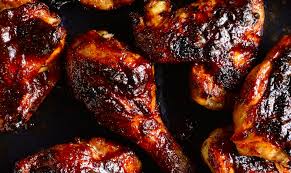

The history of barbecue has a long tradition which reaches way back to as far as some of the earliest tribes in world history. It's been said that cavemen would kill animals and build a fire with wood and smoke meat from the animals they slew. Barbecue has a long history and tradition to it. Most of us think of barbecue when it comes to the American tradition. It's true that the art of barbecuing is definitely an American tradition. It's especially an American tradition during the summer holidays. Three of the most popular holidays where you'll find scores of Americans barbecuing are Memorial Day, Independence Day (Fourth of July) and Labor Day. In between those days there are numerous benefits, fundraisers, and picnics where barbecuing takes place. Much of the meat this is cooked are pork ribs, chicken, beef briskets, hamburgers, steak, mutton, etc. There are various regions in the U.S. that specialize in certain kinds of barbecue. Memphis is known for barbecuing pork and ribs with a special tomato sauce. Kansas City is known for its thick sauce barbecuing ribs. North Carolina barbecues a whole hog using a type of vinegar barbecue. In Kentucky, it's popular to barbecue pork and mutton. Texas is known for barbecuing beef. There are all types of barbecue traditions in America. There are communal types of barbecues such as picnics, etc. There are scores of barbecue contests, esp. at barbecue festivals, like the one we have in our hometown. Back during the Civil War days and after, they were more of a community type, then eventually barbecue restaurants started cropping up in different places around the country, esp. around the South. Blacks specialized in barbecuing themselves in the South and later when many migrated to the North in the early part of the 20th century, they took the barbecue tradition with them.
The word "barbecue" comes from the word "batrbacoa" which was the name for a cooking rack to cook meat on. Barebecuing was known in the Caribbean. Many of the Spanish explorers who settled in the Caribbean and parts of what is now parts the old South. The Spanish explorer De Soto experimented with barbecue. The Native American Indians such as the Chickasaw Indians would barbecue over a barbacoa. They loved hogs. They also smoked meat to preserve it. They had to since there wasn't any such thing as electricity where people had refrigerators or freezers to place their meat. Eventually this method of cooking on the barbacoa found its way in the colonies of Virginia. Many black slaves would barbecue. George Washington, one of our Founding Fathers, had a smokehouse at his plantation in Mount Vernon, Virginia. Many of our Founding Fathers had cookouts during colonial times.
Prior to the days of refrigeration, smoking meat was a necessity if you wanted to preserve meat for a specified period of time, otherwise it would have to be consumed not long after the animal was killed and slayed. A lot of barbecuing was done that way.
Since that time barbecue has been a common tradition in American history. Today there are all sorts of barbecue events such as festivals, competitions, picnics, etc. I've been to several barbecue picnics over the years and I've immensely enjoyed the pork, mutton, chicken, ribs, etc. I'm a barbecue nut. I love to personally barbecue. I use a smoker and I add charcoal and hickory chips to give the meat that smoked flavor. Then I add a hickory brown sugar flavor barbecue sauce on the meat. Most of the time when I grill chicken, I cook it in a roaster pan so the chicken doesn't get burned. I like it that way.
I know what I've written today about barbecuing is just the tip of the iceberg. I intend on writing more about barbecue around July 4th. It will be a continuation of this post that I started today. I will explain the definition between barbecuing and grilling. I will expound more upon the history of barbecuing in the next post. The study of the history of barbecuing is very exciting. I have some posts linked up that discuss the subject of barbecuing in more detail. I will probably write at least two more posts on this subject this year. The other one will probably be around Labor Day. I want to wish all the outdoor cooks today great success as they barbecue today.
The Story of Barbeque--Amazing Ribs.com
Barbeque Defined--AmazingRibs.com
The Evolution of the American Barbeque--The Smithsonian
The History of Barbecue and Grilling--Tori Avery
The history of barbecue has a long tradition which reaches way back to as far as some of the earliest tribes in world history. It's been said that cavemen would kill animals and build a fire with wood and smoke meat from the animals they slew. Barbecue has a long history and tradition to it. Most of us think of barbecue when it comes to the American tradition. It's true that the art of barbecuing is definitely an American tradition. It's especially an American tradition during the summer holidays. Three of the most popular holidays where you'll find scores of Americans barbecuing are Memorial Day, Independence Day (Fourth of July) and Labor Day. In between those days there are numerous benefits, fundraisers, and picnics where barbecuing takes place. Much of the meat this is cooked are pork ribs, chicken, beef briskets, hamburgers, steak, mutton, etc. There are various regions in the U.S. that specialize in certain kinds of barbecue. Memphis is known for barbecuing pork and ribs with a special tomato sauce. Kansas City is known for its thick sauce barbecuing ribs. North Carolina barbecues a whole hog using a type of vinegar barbecue. In Kentucky, it's popular to barbecue pork and mutton. Texas is known for barbecuing beef. There are all types of barbecue traditions in America. There are communal types of barbecues such as picnics, etc. There are scores of barbecue contests, esp. at barbecue festivals, like the one we have in our hometown. Back during the Civil War days and after, they were more of a community type, then eventually barbecue restaurants started cropping up in different places around the country, esp. around the South. Blacks specialized in barbecuing themselves in the South and later when many migrated to the North in the early part of the 20th century, they took the barbecue tradition with them.
The word "barbecue" comes from the word "batrbacoa" which was the name for a cooking rack to cook meat on. Barebecuing was known in the Caribbean. Many of the Spanish explorers who settled in the Caribbean and parts of what is now parts the old South. The Spanish explorer De Soto experimented with barbecue. The Native American Indians such as the Chickasaw Indians would barbecue over a barbacoa. They loved hogs. They also smoked meat to preserve it. They had to since there wasn't any such thing as electricity where people had refrigerators or freezers to place their meat. Eventually this method of cooking on the barbacoa found its way in the colonies of Virginia. Many black slaves would barbecue. George Washington, one of our Founding Fathers, had a smokehouse at his plantation in Mount Vernon, Virginia. Many of our Founding Fathers had cookouts during colonial times.
Prior to the days of refrigeration, smoking meat was a necessity if you wanted to preserve meat for a specified period of time, otherwise it would have to be consumed not long after the animal was killed and slayed. A lot of barbecuing was done that way.
Since that time barbecue has been a common tradition in American history. Today there are all sorts of barbecue events such as festivals, competitions, picnics, etc. I've been to several barbecue picnics over the years and I've immensely enjoyed the pork, mutton, chicken, ribs, etc. I'm a barbecue nut. I love to personally barbecue. I use a smoker and I add charcoal and hickory chips to give the meat that smoked flavor. Then I add a hickory brown sugar flavor barbecue sauce on the meat. Most of the time when I grill chicken, I cook it in a roaster pan so the chicken doesn't get burned. I like it that way.
I know what I've written today about barbecuing is just the tip of the iceberg. I intend on writing more about barbecue around July 4th. It will be a continuation of this post that I started today. I will explain the definition between barbecuing and grilling. I will expound more upon the history of barbecuing in the next post. The study of the history of barbecuing is very exciting. I have some posts linked up that discuss the subject of barbecuing in more detail. I will probably write at least two more posts on this subject this year. The other one will probably be around Labor Day. I want to wish all the outdoor cooks today great success as they barbecue today.
Subscribe to:
Posts (Atom)